The Current Need for Welders and Why the Right Skills Still Matter
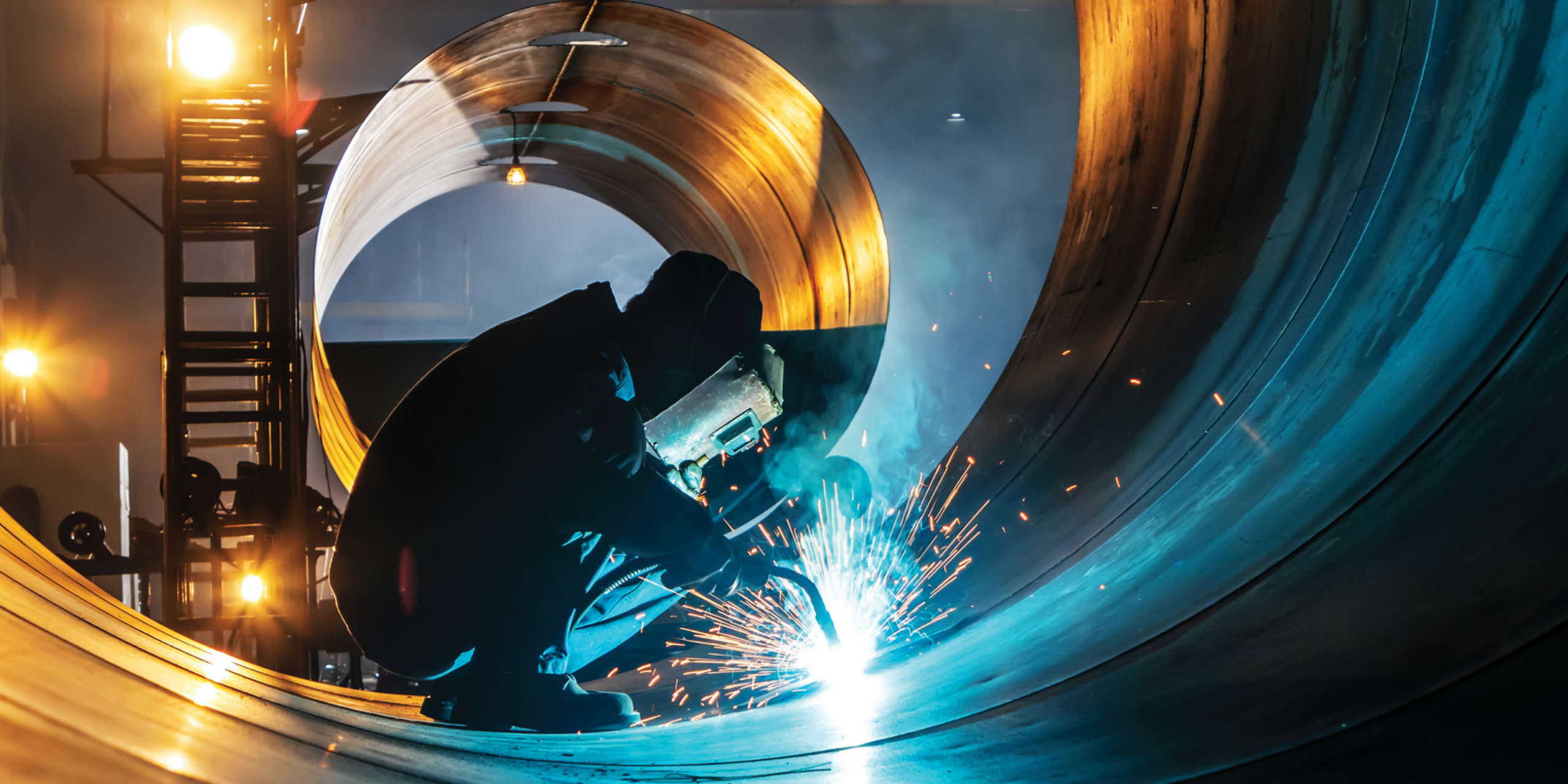
Welding remains essential, regardless of market changes.
You can see it in the numbers, but you can also see it in the day-to-day reality. Employers are still trying to fill welding roles fast enough to keep projects moving. Candidates with the right experience still have real options in front of them. And across industries like construction, manufacturing, heavy industrial work, and maritime environments, the need has not gone away. If anything, it has become more obvious. CTS directly supports several of those industries, which is one reason this conversation matters so much to our customers and workforce alike.
According to the U.S. Bureau of Labor Statistics (BLS), employment for welders, cutters, solderers, and brazers is projected to grow 2 percent from 2024 to 2034, which sounds modest at first glance. But that number does not tell the whole story. BLS also projects roughly 45,600 openings per year on average during that period, with many of those openings driven by replacement demand as workers retire or move into other roles. In other words, the challenge is not just growth. It is keeping enough skilled people in the pipeline.
American Welding Society (AWS) workforce data reinforces that picture. AWS has reported that the U.S. will need hundreds of thousands of additional welding professionals over the next several years, and its current workforce data shows strong concentrations of welding jobs across regions tied to manufacturing, industrial production, energy, and infrastructure work.
For employers, that means this is not a role you can treat like a last-minute hire. Waiting until work ramps up to start looking for welders usually means competing for a smaller pool of qualified people. For candidates, it means welding is still one of the more durable trades. BLS reported a 2024 median annual wage of $51,000 for welders, cutters, solderers, and brazers, with earnings varying by industry, experience, specialization, and location.
Not All Welders Bring the Same Skill Set
One thing that gets lost in broad hiring conversations is that “welder” is not a catch-all role.
Different jobs call for different processes, materials, environments, and quality standards. That is part of why hiring can get difficult so quickly. When a company says it needs welders, what it often really needs is a very specific type of welder with the right process experience and the ability to work within a particular code, production environment, or jobsite condition. AWS identifies several core welding processes used across industries, including SMAW (stick), GMAW (MIG), FCAW (flux-cored arc), and GTAW (TIG).
Here is where that matters in plain terms:
- MIG welding is commonly valued for speed and output, especially in production environments.
- TIG welding is often used where cleaner, more precise welds are required.
- Stick welding remains useful for field work and tougher outdoor conditions.
- Flux-cored welding is often chosen when productivity, penetration, and heavier fabrication demands matter.
That distinction matters to employers because hiring for “a welder” is usually too broad to be useful. It matters to candidates because every added process, certification, and project type can make them more competitive in the market.
What Employers Should Be Paying Attention To
The shortage conversation is real, but it should not become an excuse for vague hiring.
The better approach is to get more specific, faster. What process experience is actually required? What material are they working with? Does the role call for structural work, pipe, production welding, fabrication, or repair? Is blueprint reading important? Is there a code or certification requirement tied to the job? AWS career guidance for welders and fabricators maintains emphasis on the fact that technical growth frequently includes blueprint reading, fabrication techniques, metallurgy, and specialized certifications in addition to hands-on welding skills.
What Candidates Should Be Paying Attention To
For job seekers, this is still a field where skill matters and range matters.
Candidates who demonstrate proven experience across multiple processes, read prints, work safely, and adjust to diverse job environments have the edge. AWS’ Certified Welder program is designed around transferable, industry-relevant skill demonstration, and AWS career resources continue to highlight the value of formal training, on-the-job experience, and specialized certifications depending on the path someone wants to take.
That does not mean every welder needs the exact same background. It means the strongest candidates keep building. Sometimes that looks like adding another process. Sometimes it means learning symbols and blueprint interpretations. Sometimes it means gaining experience in a new industry, whether that is construction, industrial fabrication, or shipyard work.
Why This Matters Right Now
Welding is still one of those trades that sit beneath much of the work people depend on but do not always see. It supports infrastructure, production, repair, defense-related work, plant operations, and fabrication nationwide. And while tools, training methods, and automation continue to evolve, the need for skilled people has not disappeared. AWS has highlighted that while newer training methods and technology play an important role, they are not a substitute for the workforce itself. According to an article by Melanie Sherrill, job creation is happening in many fields, not just those focused on technology, suggesting that a diverse and skilled workforce remains essential.
That is the real main takeaway here.
For employers, the welding shortage isn’t simply a headline. It affects timelines, output, and the ability to scale. For candidates, this is still a trade with real staying power, real demand, and room to grow for people willing to build their skills. CTS works with industries where that demand shows up every day, and the companies that stay ahead are usually the ones that treat skilled trades hiring as a priority rather than an afterthought.

Explore more articles