What Is a Tiger Team and When Does a Business Actually Need One?
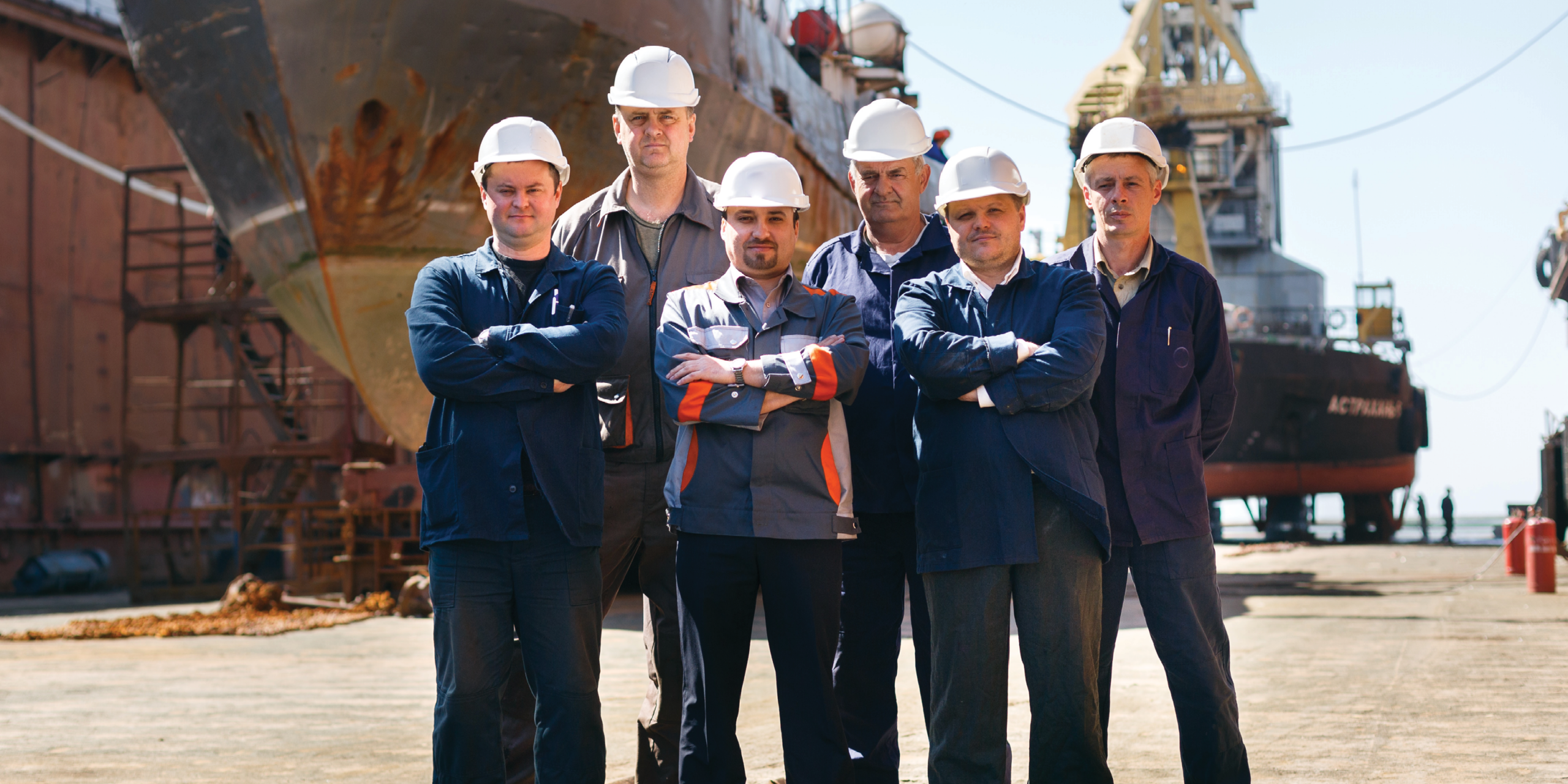
A Tiger Team is one of those terms that sounds familiar, but many people still aren’t fully sure about what it means in practice.
At its core, a Tiger Team is a focused, multi-disciplinary group brought together to solve a specific problem quickly. The U.S. Department of Labor describes Tiger Teams as teams of experts designed to analyze challenges, strengthen continuing efforts, and make actionable recommendations that can create near-term impact.
That is the part that matters most. A Tiger Team is not just extra labor. It is a targeted solution for a situation that has become too urgent, too complex, or too costly to solve through a slower, one-by-one hiring process.
So, when does a business actually need one?
Usually, when three things are happening at once: the need is urgent, the problem is bigger than the role, and the delay has consequences. Maybe a project is behind. Maybe a facility needs rapid manpower support. Maybe disaster recovery work has to move now, not weeks from now. Maybe operations are being strained because the usual hiring schedule cannot keep up with the demands of the work.
That kind of pressure is not hypothetical. In September 2025, GAO reported that FEMA staffing shortages contributed to major operational strain, including a backlog of about 500,000 escalated applications as of December 2024. When workforce capacity does not match the need, the issue usually spreads. What starts as a staffing problem turns into a timing problem, a service problem, or a project problem.
That is also why the Tiger Team model stands apart from traditional staffing. Traditional staffing usually focuses on filling individual openings. A Tiger Team is built around solving a situation. The value is not just the number of people. It is the group’s structure, alignment, and readiness. Instead of piecing together support role by role, a company gets a concentrated response built for speed and execution. The Department of Labor’s Tiger Team model reflects that same idea: a specialized team is assembled to tackle a defined challenge and help drive near-term improvement.
This matters even more in sectors already dealing with tight labor markets. McKinsey reported in January 2026 that U.S. shipyards struggle to fill critical roles because of competition from adjacent industries, shortages of skilled workers, high churn in the trades, and an aging workforce, with 27% of maritime workers age 55 or older. The American Staffing Association echoed a similar concern in February 2026, saying demand for semi-skilled and skilled workers is expected to rise in manufacturing and trade niches while the supply of skilled workers remains limited.
For workers, it also says something important about the kind of value employers are looking for right now. Readiness matters. Adaptability matters. The ability to step into a fast-moving environment and contribute quickly matters. When a company needs a Tiger Team, it is usually looking for people who can do more than just fill a seat. It needs people who can help steady the work.
That is really the takeaway. A Tiger Team is not the answer to every workforce challenge. But when the pressure is real, the timeline is short, and the cost of waiting keeps climbing;, it can be the smarter fit.
If your project needs a fast, focused workforce solution, CTS can help you determine whether a Tiger Team is the right approach.

Explore more articles